

Suđenice are the three sisters of fate in Slavic folklore, bound to the quiet and irreversible work of shaping a human life. They do not decide who will be born, nor do they grant life itself. Their work begins once a child takes its first breath.
Known as Rođenice or Rojenice in Croatian tradition, Sudbenice, Sujenice, and Sojenice in regional South Slavic traditions, Rožanice in parts of the East Slavic world, Sudičky in the Czech lands, and Orisnitsi in Bulgaria, they appear throughout the Slavic world under many different names. Though the names vary, their role remains much the same: to determine the course of every human life.
To speak of the Suđenice is to speak of inevitability, of the unseen weight carried from the moment fate is set into motion. Across the South Slavic lands, no birth was truly complete until the sisters had spoken. Their verdict was the last threshold the newborn had to cross, not into life, but into a life with a shape.
The Third Night
In Slavic folklore, the Suđenice are said to arrive on the third night after a child is born. The first nights were believed to be uncertain, when the newborn still lingered between worlds. Only on the third night did the child fully belong to this one.
South Slavic ethnographic records describe this as a liminal window. Before it, the child belonged to neither world entirely. After it, the thread of fate had been set. Families would keep the hearth lit through the night, less as a ward against the sisters than as a sign that the home was ready to receive what they would bring.
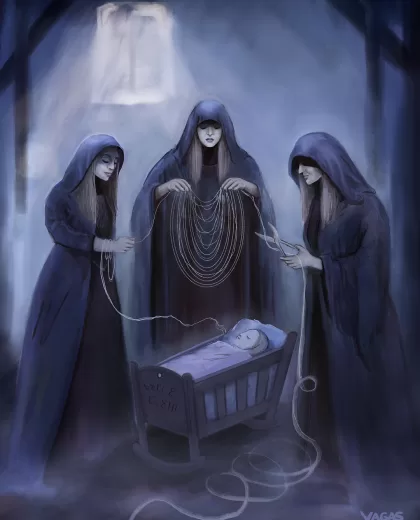
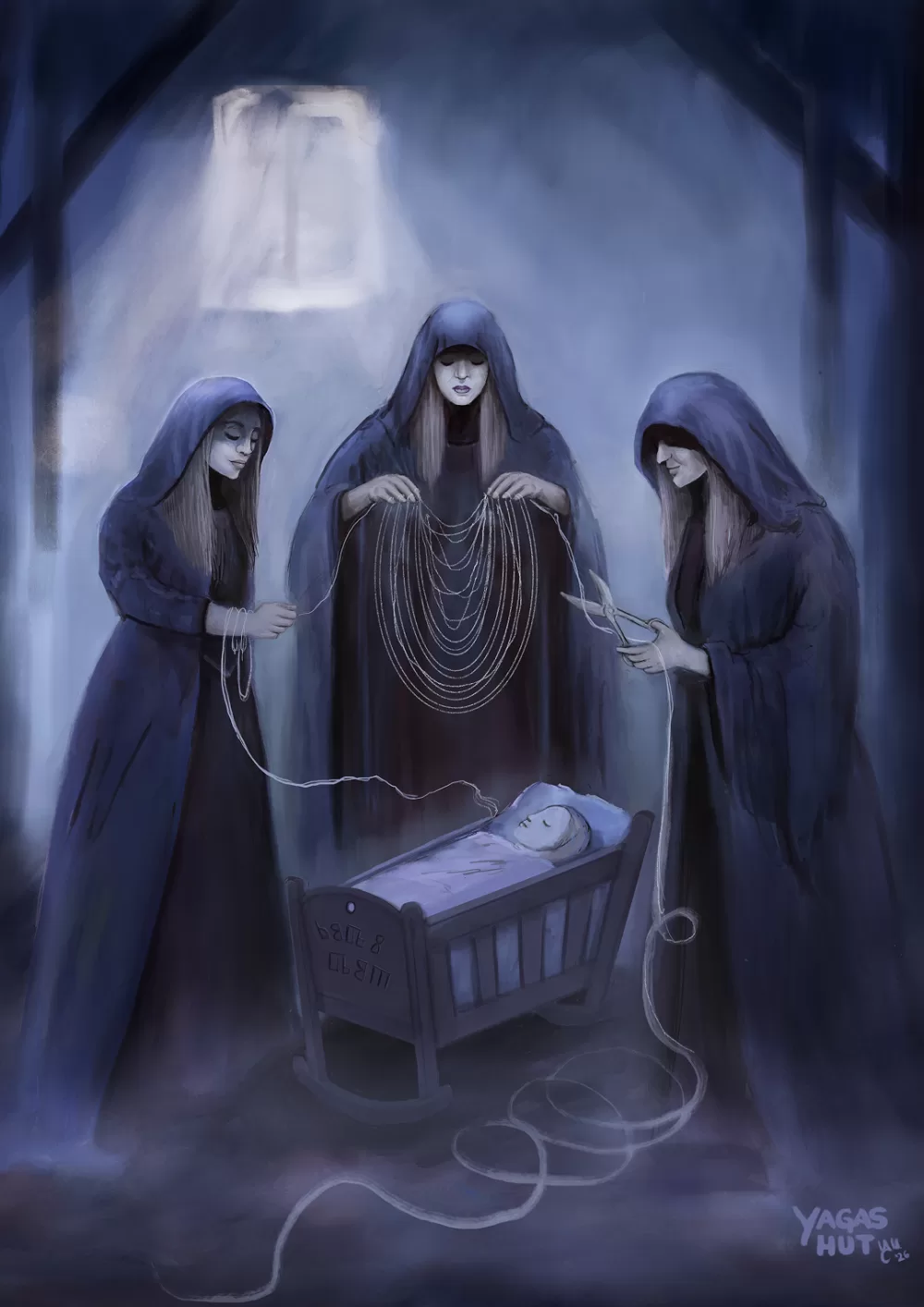
While the household slept, the sisters gathered in silence around the cradle. No announcement was made. No witness was required. What they decided did not need to be heard to become true. It was on this night that fate gained its weight.
The Three Sisters
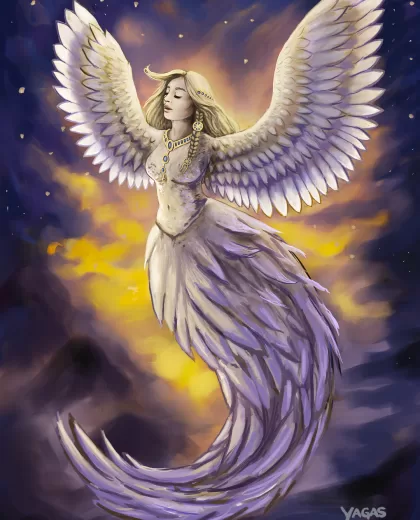
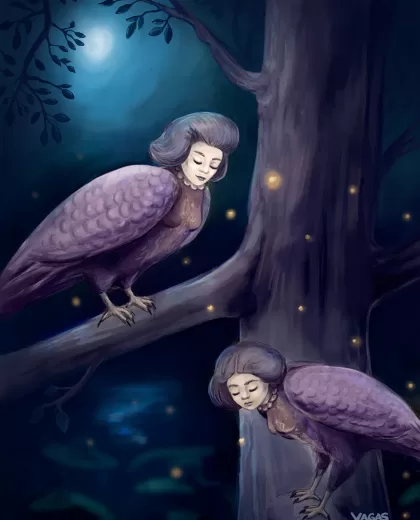
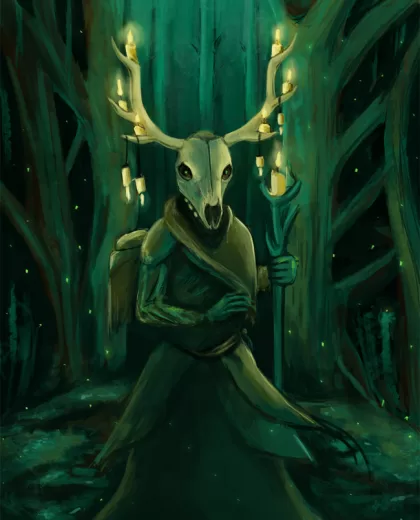
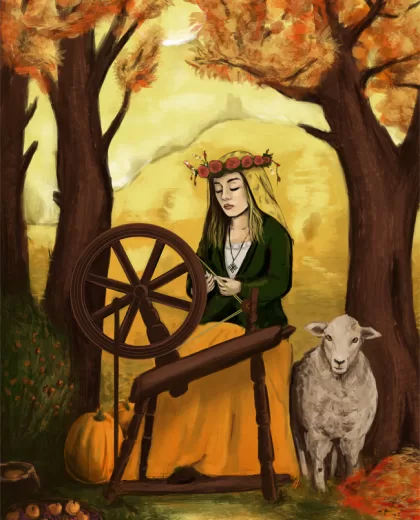
The youngest Suđenica spins the thread of life. She represents beginnings, possibility, and the unwritten path, all that could be.
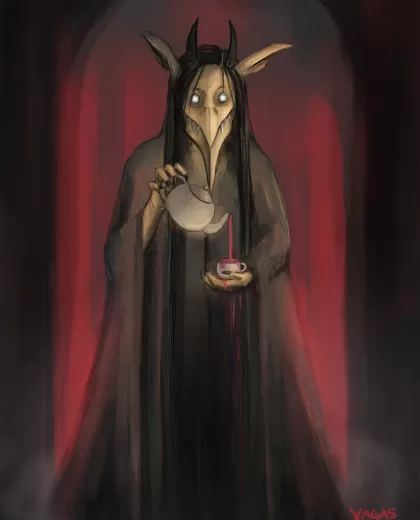
The middle sister measures the thread’s length. She carries the burden of duration, the weight of living itself, and the steady passage of time.
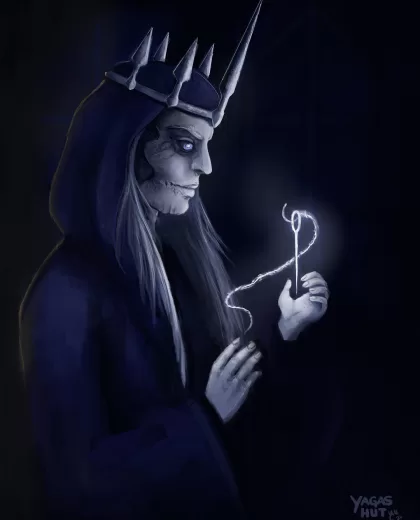
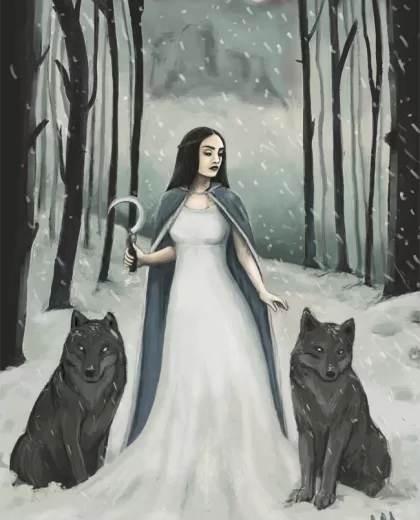
The oldest sister remembers when the thread must end. She carries memory, closure, and the knowledge that every life has its limit.
This pattern of spinning, measuring, and cutting appears across Indo-European mythology, from the Greek Moirai to the Norse Norns. What sets the Suđenice apart is the silence of their work and the domestic intimacy of the setting. The fates of other traditions stand on mountains or beside the roots of the world tree. The Suđenice come to the cradle. They enter the home.
Life has begun.
Fate begins now.
What follows can no longer be undone.
What is woven will be lived.

Mokosh and the Thread of Fate
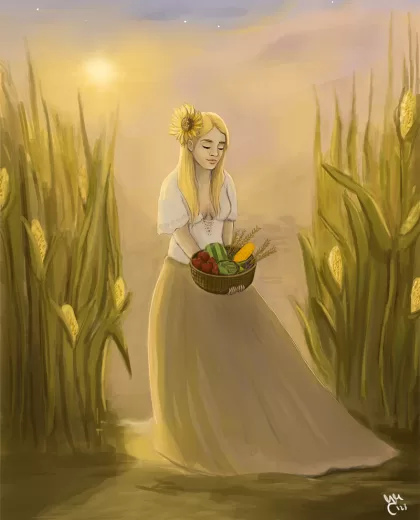
The figure most closely connected with the Suđenice is Mokosh, the Slavic goddess of spinning, weaving, and feminine destiny. Where Mokosh governs the thread itself, the Suđenice determine how each individual life will unfold.
This connection reflects the importance of spinning and weaving in Slavic tradition. The thread was more than a household object. It became a natural image for life itself, something that could be spun, measured, tangled, or cut.
Silence & Offerings
The Suđenice were never called by name. They were not meant to be summoned.
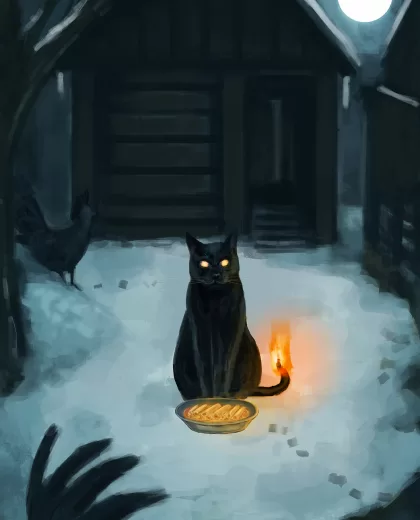
Instead of prayers, parents prepared their homes. The hearth was cleaned. The cradle was set in order. Bread, salt, honey, or wine were left behind, not as offerings of devotion, but as gestures of respect. Some accounts mention three candles left burning through the night, one for each sister.
Offerings were left, not to change fate, but to soften it.
According to some traditions, the sisters spoke a child's fate in whispers that no living person was meant to hear. By morning, their work was done, whether anyone knew their words or not.
Law Without Mercy
The Suđenice are neither kind nor cruel. They do not punish, and they do not reward. Their decisions are not moral judgments, but part of the order of the world.
Once a fate has been spoken, it cannot be changed. What has been measured cannot be extended. What has been cut cannot be restored. Their work is final.
Those who try to escape their fate often walk directly into it. Fate does not pursue them or interfere with their choices. It simply remains.
Unlike Morana, who is met with rituals marking the end of winter, the Suđenice receive no festivals and no prayers. They are not asked for mercy or persuaded with offerings. Their role is simply accepted as part of life’s beginning.
Those who run from fate only tighten the thread,
for its weight must be carried.