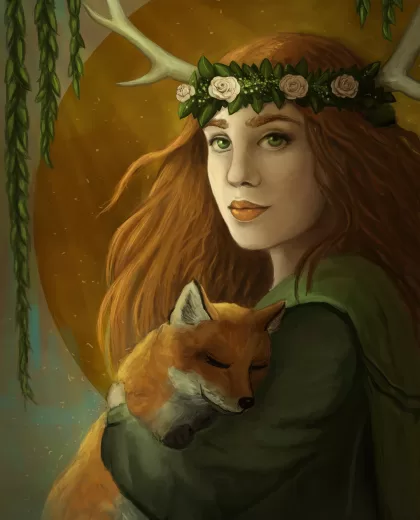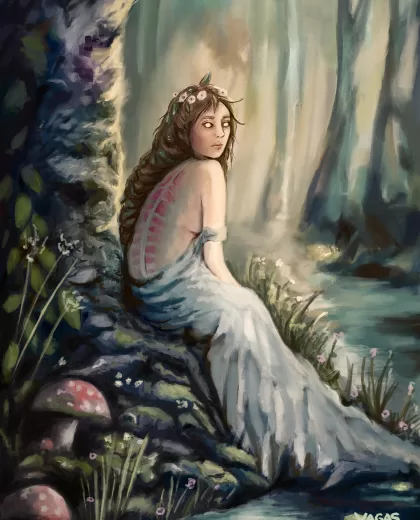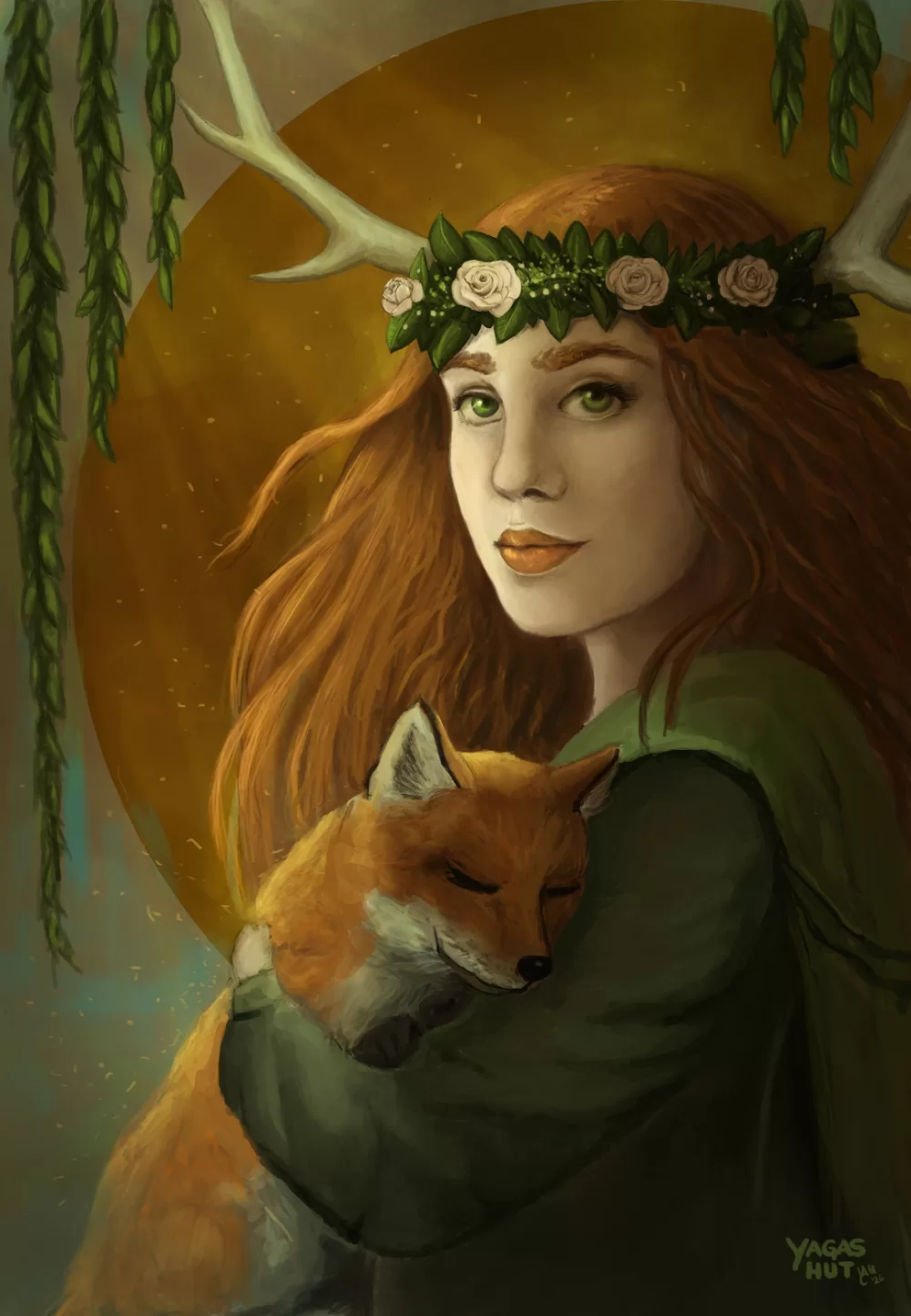


Devana, goddess of the forests and the hunt, is one of the wild figures of Slavic mythology. She moves through places where wolves hunt, deer vanish into the trees, and paths disappear beneath the undergrowth.
Across the old lands she was remembered by different names: Dzewana among the Poles and Devana in the Czech lands, always as a huntress tied to the freedom of the wild.
Deep in the pine forests and mountain valleys, she was the shadow at the edge of a clearing, unseen until she chose to be found.
Goddess of the Wild
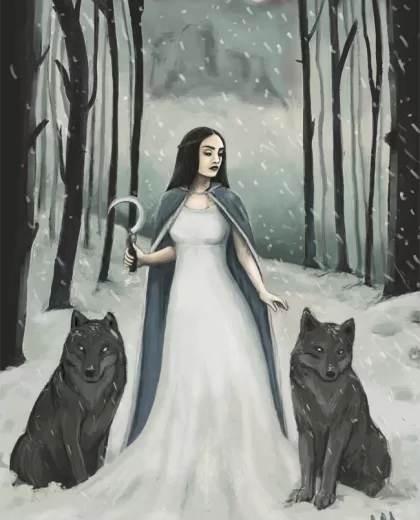
As mistress of the hunt, Devana wanders the woods with bow in hand, her arrows tipped with starlight. Wolves follow her without command, while even the deer do not flee her shadow.
They say that when wolves howl to the moon, they are calling to their mistress, Devana.
To the old hunters, the wild was never empty. Every glade had a guardian and every spring a keeper. Devana was the greatest among them. Through her, the forest answered those willing to listen.
The respect owed to her was the same respect owed to the woods: take what you need, leave what is not yours, and walk softly.
The Untamed Spirit
Devana was closely bound to the forest and the animals within it. She granted abundance to those who hunted with care, but turned against those who wounded the land or took more than they needed.
To the weary, she could become a guide. To the greedy, she remained a hunter without mercy.
Hunters would whisper her name before loosing an arrow, begging her leave to take the life they sought.
.png)
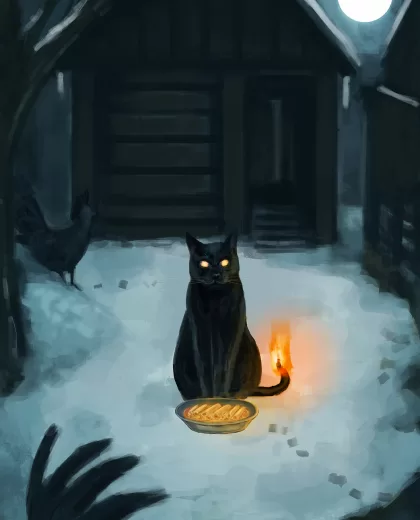
Old hunters were said to leave first-kill offerings at the edge of the woods: a strip of hide, the heart, or a drop of blood returned to the earth. The name spoken over them was Devana’s, and the meaning remained clear: the hunt is borrowed, not owned.
Those who forgot the offering might find their arrows flying wide, their tracks turning in circles, and the way home hidden by the forest.
Cycle of Seasons
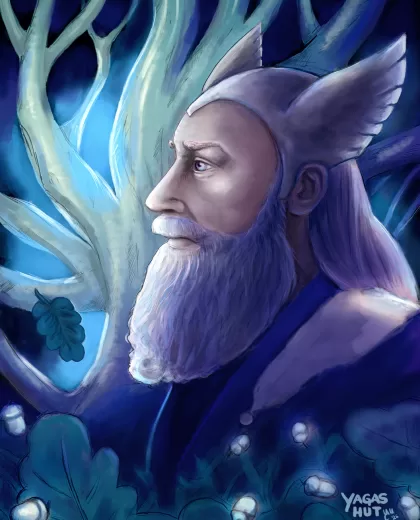
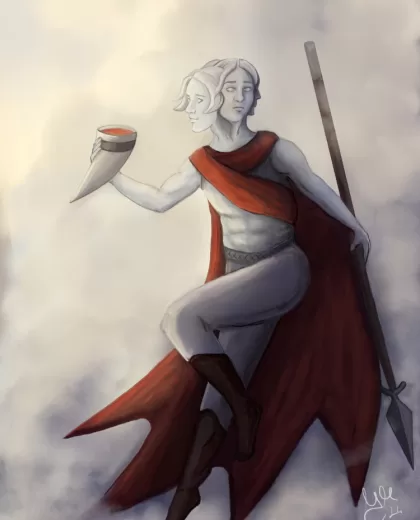
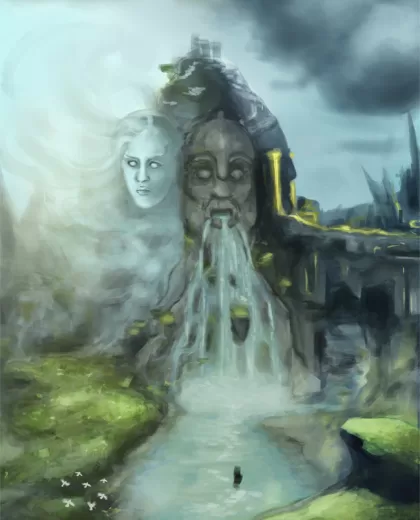
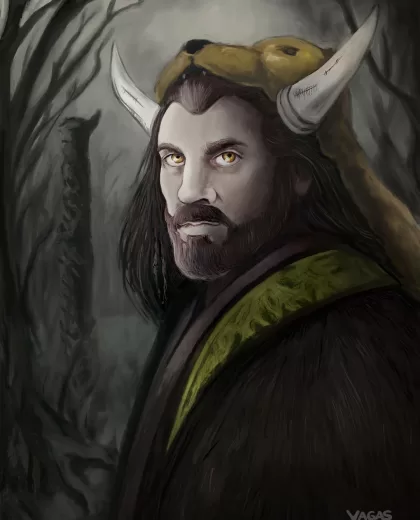
In one tradition, Perun, thunder god and ruler of the skies, sought to tame Devana by giving her to Veles, lord of the underworld. Their bond was forged by Perun’s will, and the turning of the seasons bound them together.
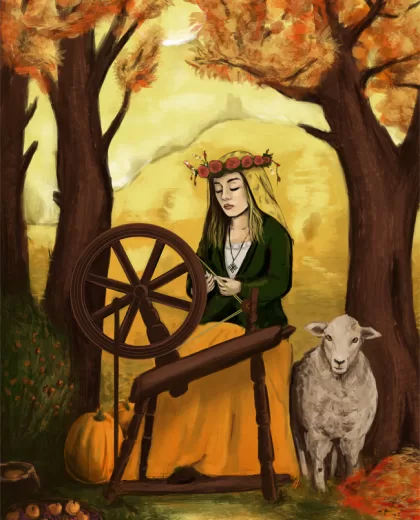
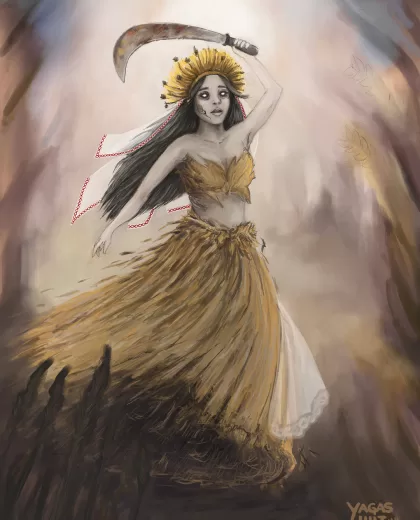
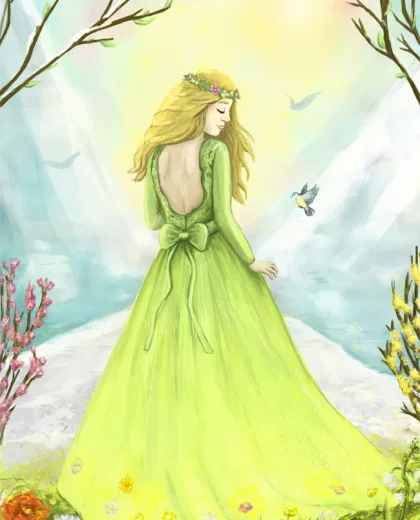
In summer, Devana roams freely, guiding the hunt and guarding the green woods. When winter arrives, Veles claims the forest, covering it in frost and silence. Together they represent the cycle of life and death, growth and decay.
Summer is Devana’s breath, winter belongs to Veles, and the forest answers to them both.
At the first signs of spring, when green shoots rise beneath the thaw, the wolves in the deep woods are said to turn their heads east, sensing their mistress returning. In the final warmth of autumn, they lower their eyes as she slips away once more.
Where the Forest Breathes
Devana carries the wild freedom of the forest. To walk beside her is to feel the trees stir and remember that the wilderness has never belonged entirely to humankind.
Those who feel Devana’s presence know this: freedom is not a gift, but the strength carried within.