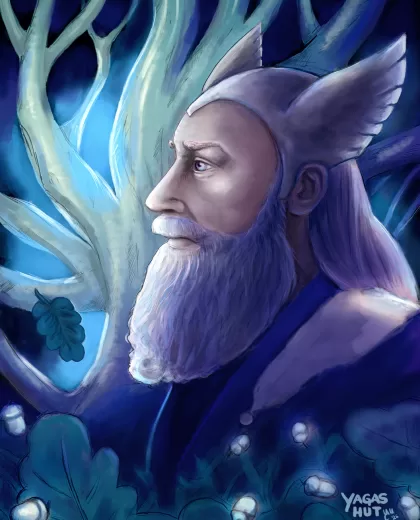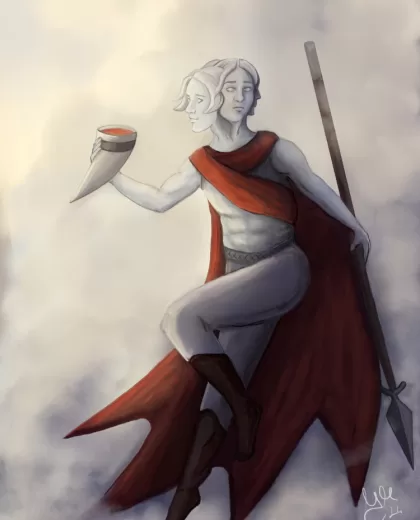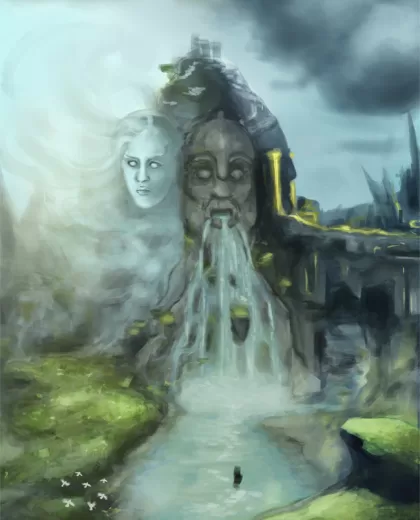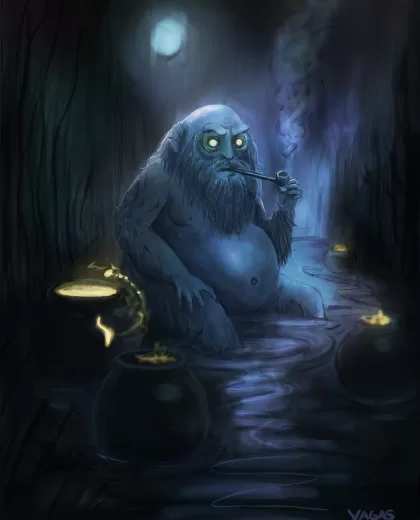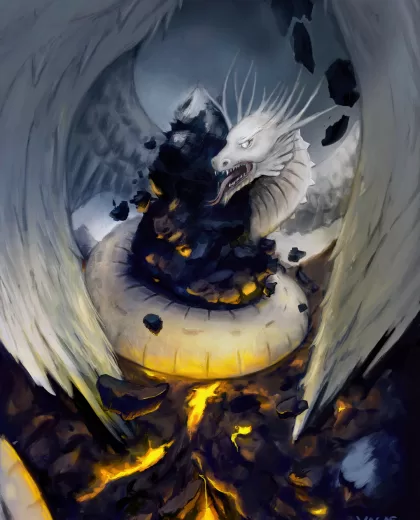


Veles, also recorded as Volos in East Slavic sources, is the serpent in the roots, the whisper beneath the earth. In Slavic mythology, he is remembered as a god of the underworld, cattle, magic, wealth, and song, moving through the darker places of the world where roots, rivers, animals, and hidden riches gather.
Above him stands Perun, god of thunder and the high sky. Veles belongs below: beneath trees, beside deep water, among herds, and in the unseen wealth of the soil. The two gods stand at opposite ends of the old Slavic world, one in the heights and one among the roots.
Shape & Nature
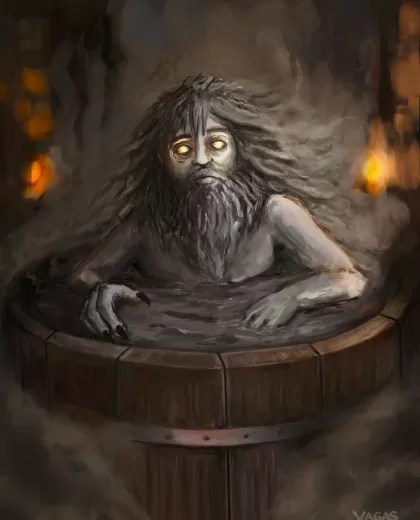
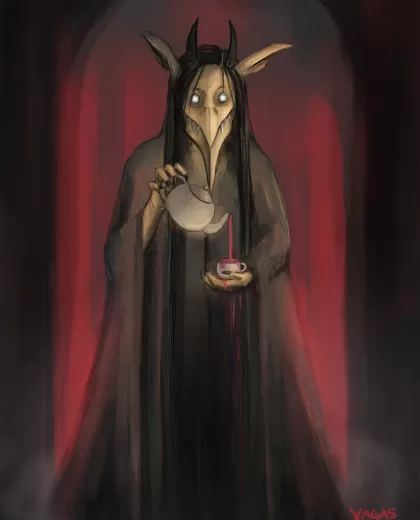
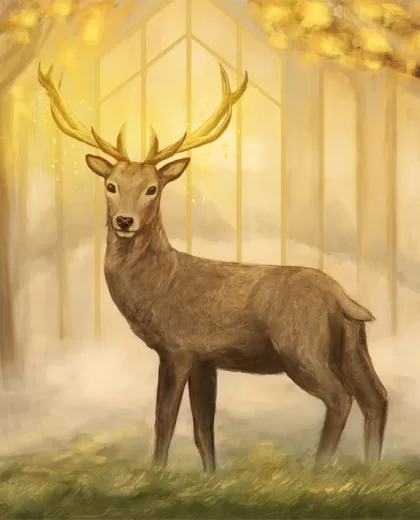
Veles was never bound to a single form. Traditions remembered him as a serpent, a horned animal, a wolf, or an old man carrying a shepherd’s staff. His shapes change with the landscape around him, but the same presence remains beneath them.
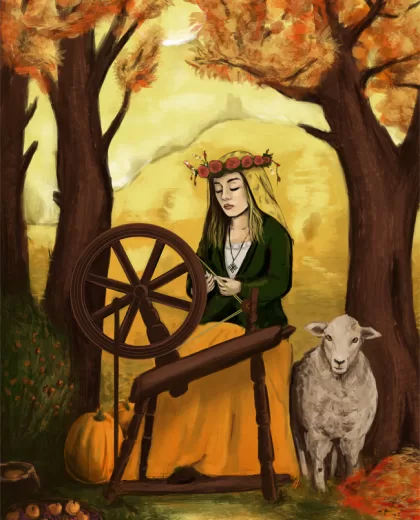
One of his oldest titles is skotij bog, the “god of cattle”. Herds, flocks, and the wealth they represented belonged to his care. Long before coins filled a purse, cattle measured prosperity, and Veles stood close to those who depended upon them.
He who knows the roots knows the world’s hidden fortunes.
Lord of Cattle, Wealth & Song
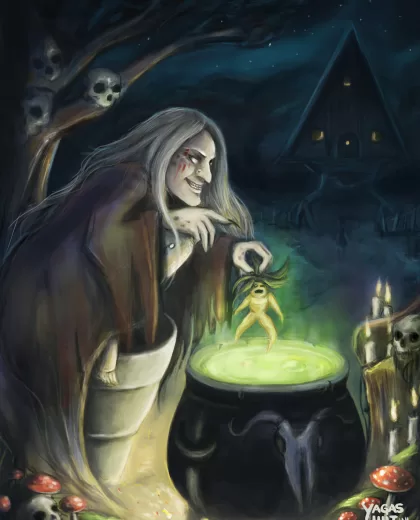
Veles watched over cattle and material wealth, but his domain reached further. Magic, poetry, memory, and song also gathered around his name. In The Tale of Igor’s Campaign, the poet Boyan is called a “grandson of Veles”, binding the god to those who carried stories from one generation to the next.
His wealth does not shine from a throne. It grows slowly in pasture, grain, livestock, and knowledge remembered long after its first speaker is gone. The things guarded by Veles tend to gather beneath the surface before anyone notices their value.
From the underworld’s whisper, fortunes are born or lost.
Oaths, Herds & Old Beliefs
Veles appears in some of the earliest written records of the eastern Slavs. Princes of Kyivan Rus swore treaties by both Perun and Volos, the god of cattle. The names of the two gods stood together in solemn oaths, calling upon powers from opposite parts of the world.
Later Christian tradition connected some of Veles’s older associations with Saint Blaise, or Vlas, protector of livestock and herdsmen. The boundary between the old god and the saint cannot always be drawn cleanly, but the care of animals remained.
Stories and customs also placed Veles near damp earth, forests, pastures, and the edges of water. These are places where the cultivated world gives way to something older, where livestock wander, roots thicken, and paths disappear beneath trees.
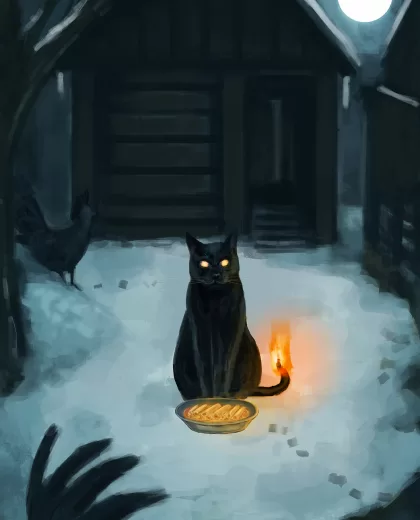
Leave a cup of milk by the roots, and his ear will find you.
.png)
The Feud with Perun
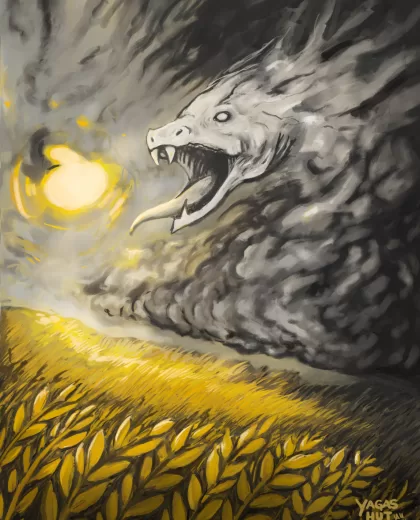
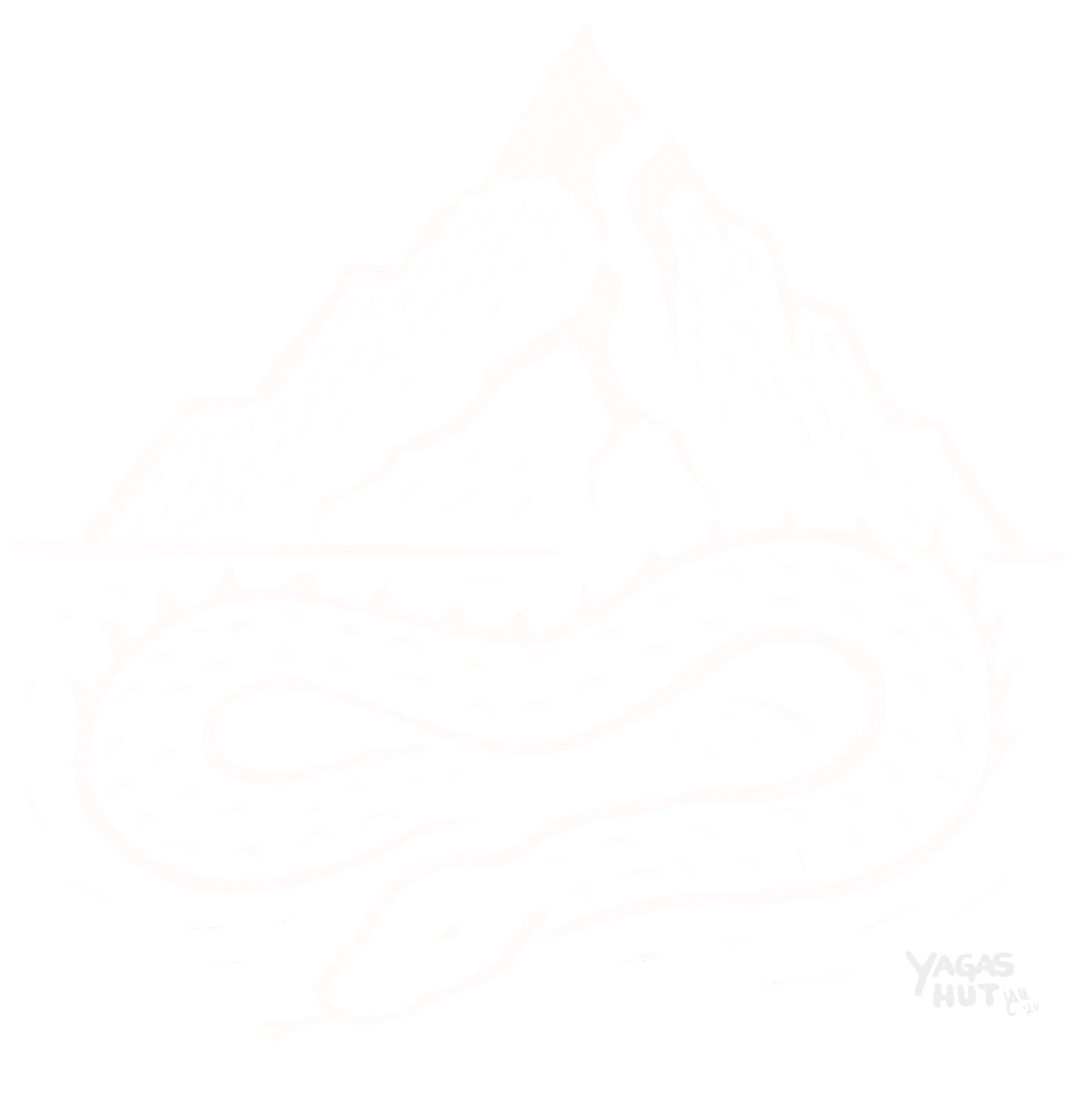
The most enduring story surrounding Veles is his struggle with Perun. High above stands the thunder god. Below waits Veles, moving among roots, water, animals, and the wealth of the earth.
In reconstructed versions of the myth, Veles provokes Perun by stealing what belongs to him, often cattle or other treasures, and then flees downward. He hides beneath stones, among trees, in water, or within the shapes of animals while Perun pursues him across the world.
Thunder rolls as the chase begins. Lightning strikes the places where Veles is believed to be hiding. Trees split, stones break, and rain follows the storm.
Some later retellings imagine the fleeing serpent in forms resembling the Zmey, the great dragon of Slavic tradition. Yet Veles needs no dragon’s body to remain elusive. The serpent beneath the roots is already difficult enough to catch.
No lightning falls without a shadow to chase.
Beneath the Roots
Veles belongs to everything that gathers away from open sunlight. Wealth buried in the earth. Water beneath the bank. Knowledge carried quietly from one voice to another. Animals moving through pasture and forest. The dead remembered beneath the ground.
His world is not empty darkness. It is fertile, dangerous, and full of things that remain unseen until someone chooses to look beneath the surface.
The path downward was never without risk. What waits beneath the roots may be worth finding, but Veles was never a god who promised that knowledge, wealth, or power would come without consequence.
The roots offer what the open sky never will, though never without claiming something of their own.