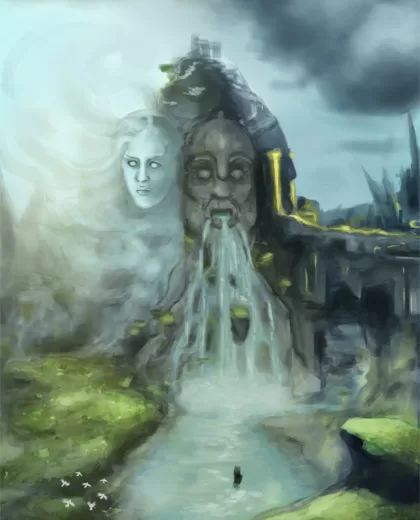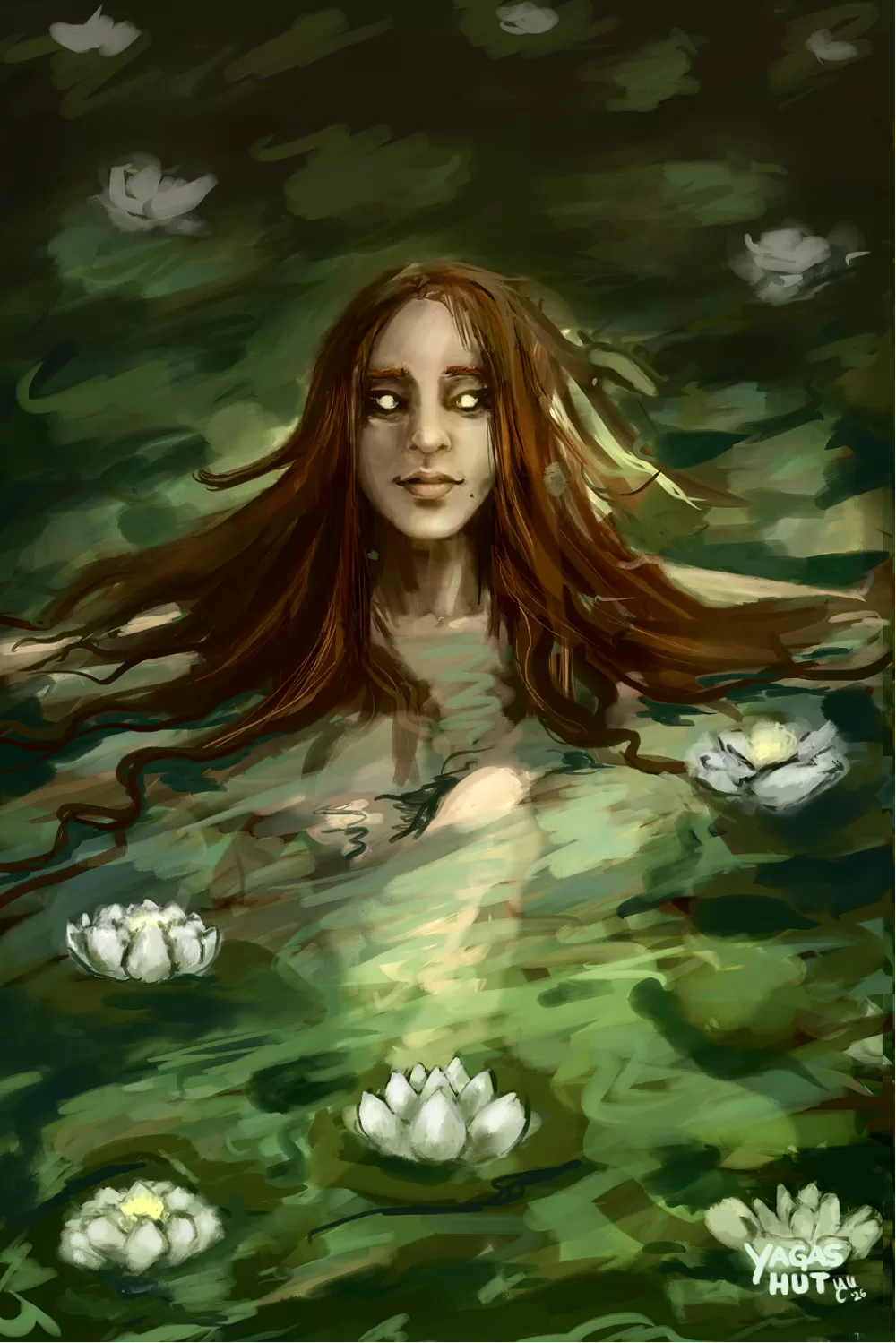


Rusalka, known across Slavic lands as Rusálka, Rusałka, and Русалка, is a mysterious water spirit of Slavic folklore, remembered in many tales as the restless soul of a young woman whose life ended before her time. She belongs to rivers, lakes, and marshes, drifting close to the world of the living while never fully returning to it.
She is the figure villagers would not name after dark. Where the river runs slowly and the reeds grow tall, her song is said to carry across the water, low, clear, and impossible to forget.
Where the river grows quiet, people listen before they dare to cross.
The Maiden by the Water
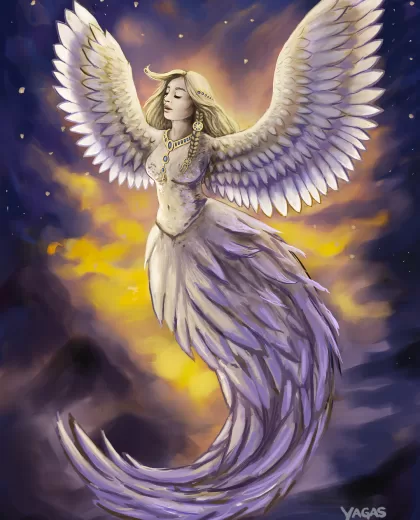
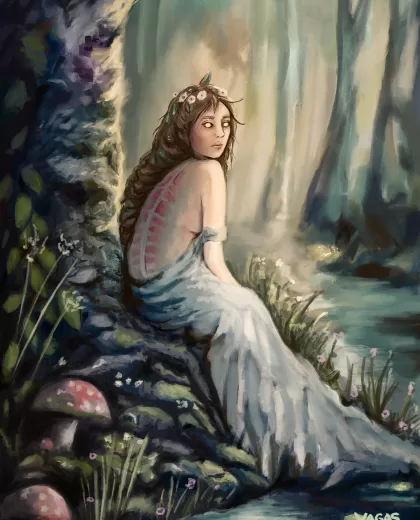
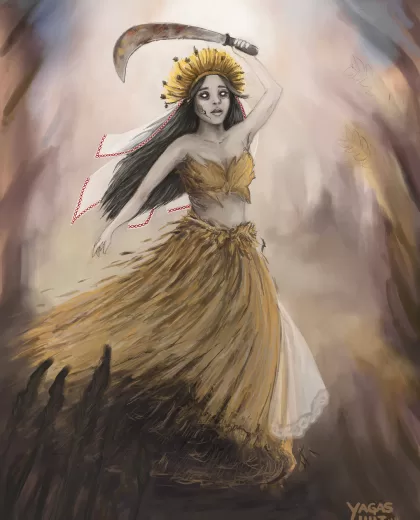
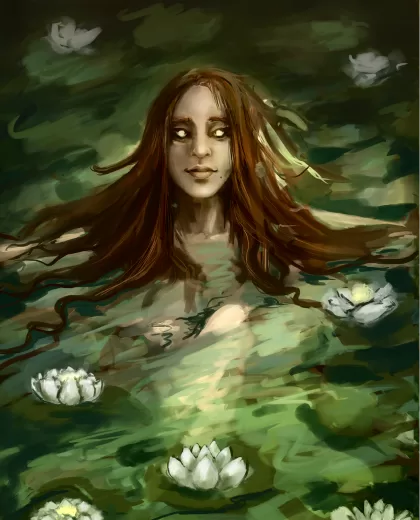
Rusalki are often described as otherworldly maidens with long, unbound hair. In some tales it is dark as the river depths, in others pale as sunlit wheat or green with the colour of riverweed. Their beauty draws the eye, yet something in it remains distant, as though part of them still belongs beneath the surface.
They may appear along the riverbank at dusk, sitting among reeds or beneath willow branches. Sometimes they comb their wet hair. Sometimes they dance in the meadows beneath the moon. Those who see them from afar may mistake them for ordinary girls.
When the reeds move without wind, villagers say a rusalka has passed between them.

The Song
A rusalka does not always call from the depths. Sometimes she sings from the bank, her voice carrying across the still water until a traveler stops to listen.
The song is beautiful because it carries something human within it: longing, loneliness, and the memory of a life that can no longer be reclaimed.
Few realize they have stepped too far.
By the time the water closes above them, the song is the only thing they can still hear.
Those Who Never Returned
Many traditions remember rusalki as women whose lives ended in sorrow before their time.
Their laughter still carries the ache of what was lost. Their anger falls upon those who approach carelessly, mock the water, or mistake beauty for harmlessness.
Some rusalki are said to be so old that they no longer remember the women they once were.
Where Rusalki Wander
Rusalki belong to rivers, lakes, marshes, and forest streams. Some tales keep them close to the water, hidden beneath the surface or among the reeds. Other tales allow them to leave during certain nights, when they wander through meadows, fields, and birch groves, stirring the dew beneath their feet.
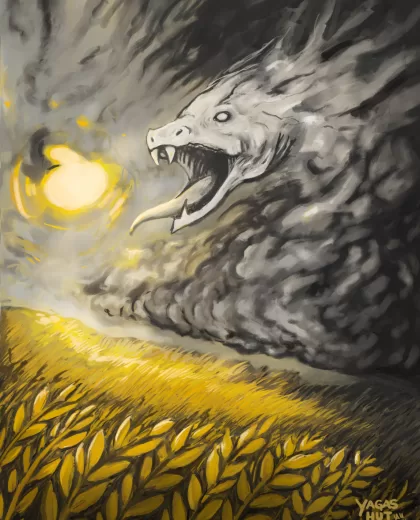
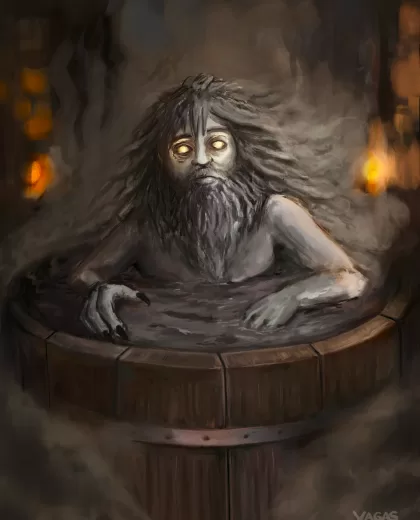
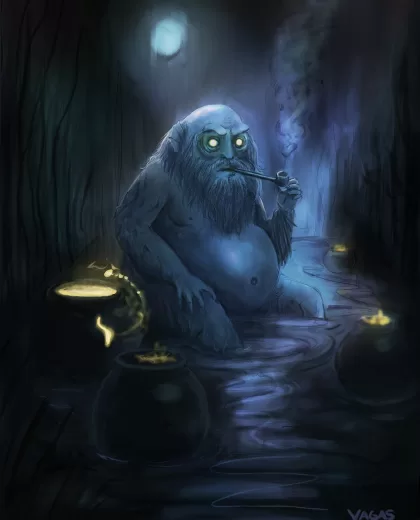
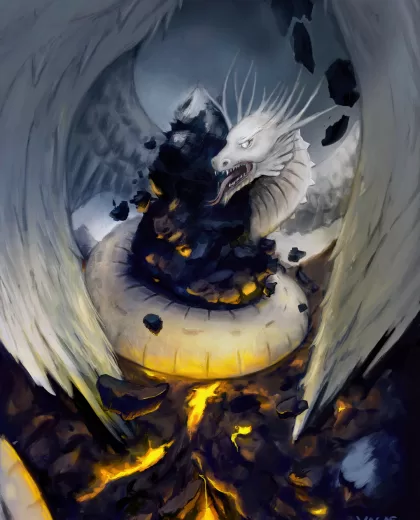
Where Rusalka moves through the shallows, Vodyanoy keeps the darker depths below. Those who lived beside rivers learned to respect both, for calm water was never mistaken for empty water.
The river may appear still, yet nothing within it truly sleeps.
Rusalka Week
In early summer, during Rusal’naya Nedelya, villagers once believed the rusalki drew especially close to the living world. People avoided swimming, left offerings near the water, and warned children to remain far from riverbanks and fields after dark.
Girls carried wormwood, while others wore iron as protection.
These were not empty gestures.
The waters were believed to awaken, and the boundary between the living and the restless dead grew thin. For a few dangerous days, the river was treated as though it were listening.
During Rusalka Week, even familiar waters were approached with caution.
What the Water Keeps
Rusalka is the beauty of the river and the grief it keeps. She belongs wherever water gives life, yet quietly remembers every life it has taken.
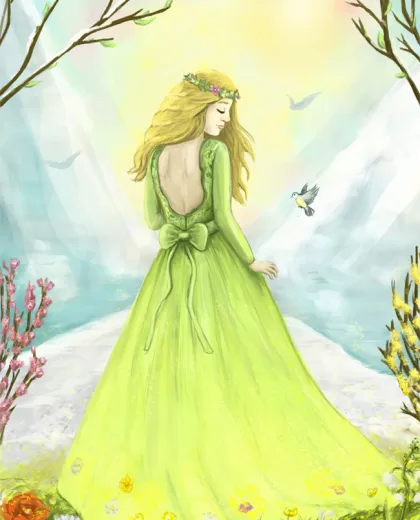
The same warning walks the old lands in other forms. Poludnica waits in the burning stillness of noon, while Rusalka waits in the cold weight of the water. Different places, different hours, the same caution: the world is beautiful, but it does not belong to us alone.
Those who lived beside the rivers understood this. They left offerings, carried protection, and taught their children not to follow every lovely voice into the dark.
Their songs tell of love, loss, and the old waters that fed the villages, but sometimes claimed more than they offered.