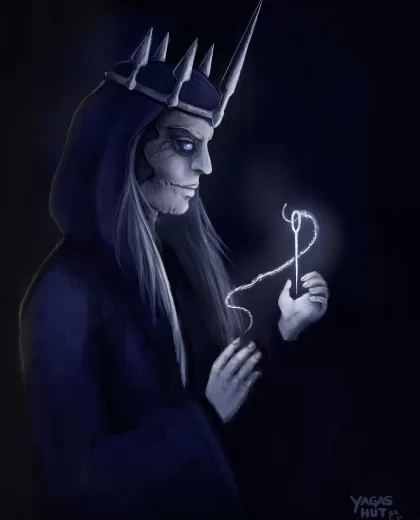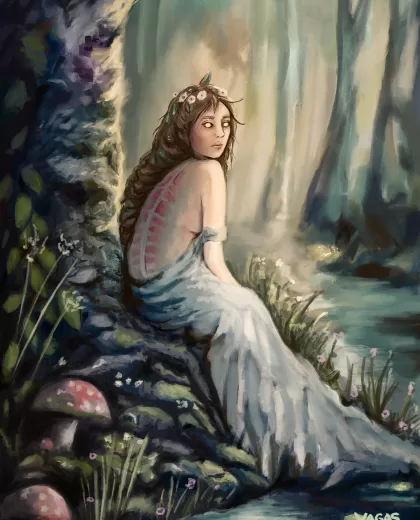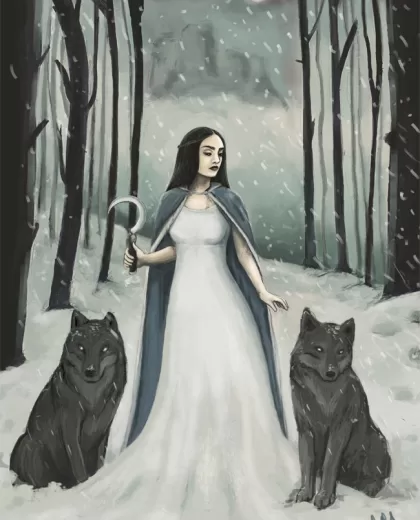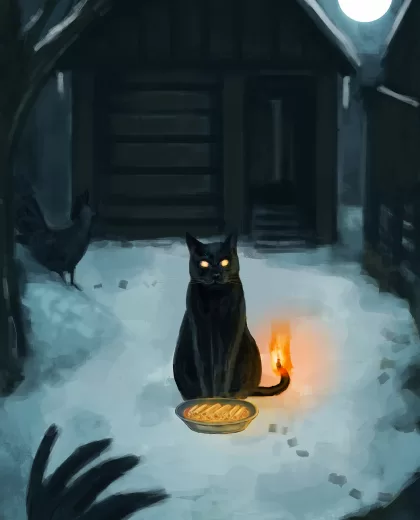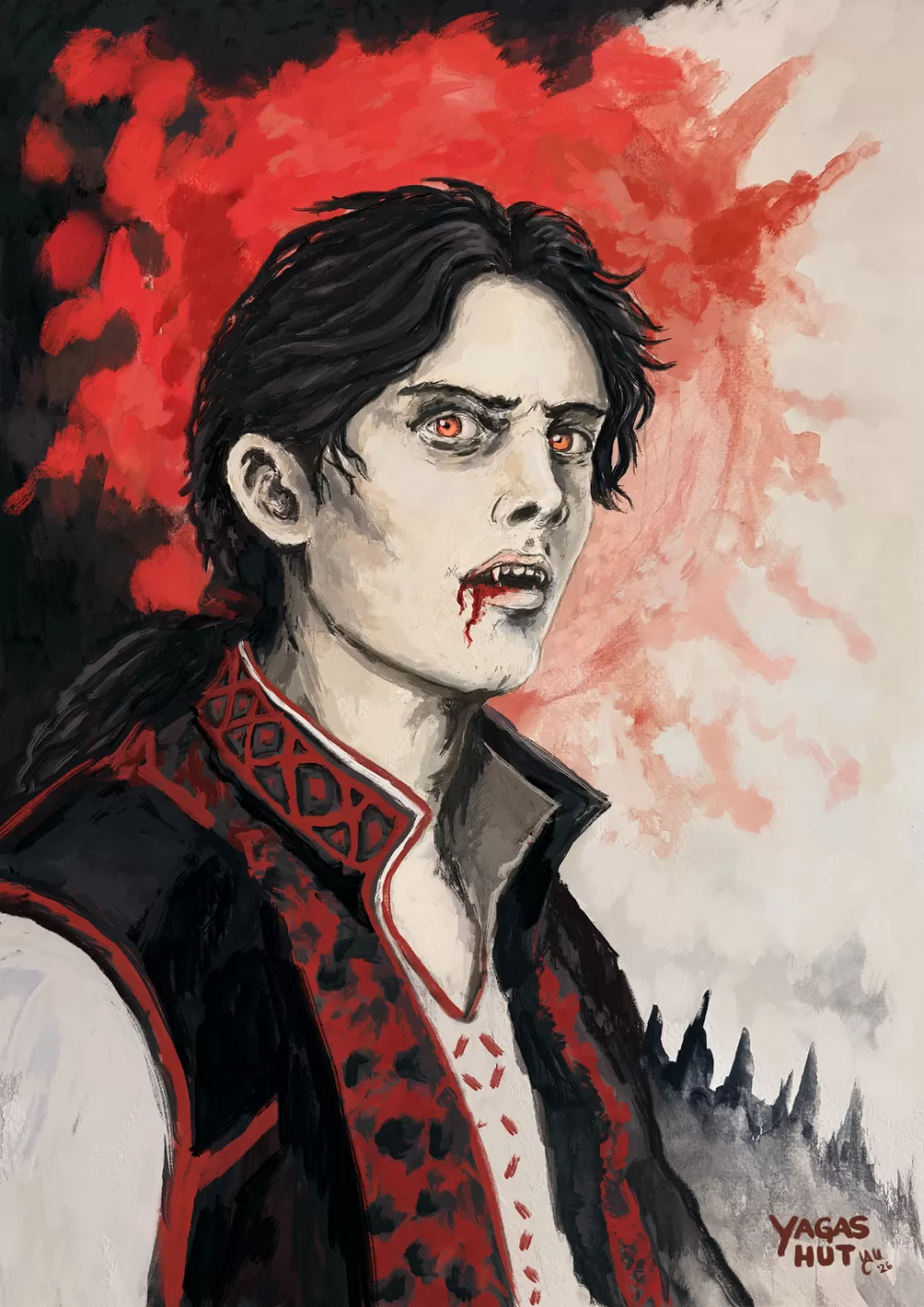


Long before Dracula entered his castle, people across the Slavic lands feared the return of the dead.
They called them Upir, Upyr, Vampir, or by names that varied between regions. Polish traditions knew the upiór, Czech folklore the upír. Among South Slavs, the name vukodlak could also refer to the returning dead, although elsewhere it described a person who could take the form of a wolf.
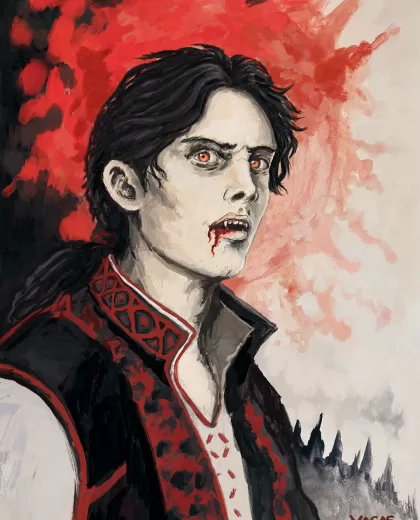
Slavic vampires were often described as swollen, ruddy corpses, ordinary people who had been buried and returned to the homes they once knew.
They came mostly at night, drinking blood, suffocating the sleeping, tormenting their families, or bringing sickness and death. Older Slavic beliefs did not generally describe them burning beneath the morning sun.
Some of the dead were buried. Others had to be kept there.
When the Dead Return
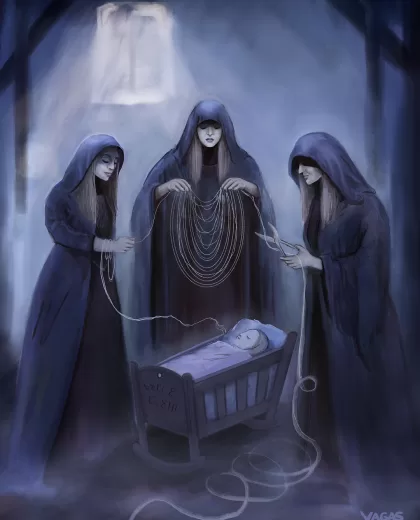
Across Slavic traditions, violent death, improper burial, witchcraft, or unusual circumstances surrounding birth could raise fears that someone might return from the grave.
Some communities feared that an animal crossing over a corpse before burial could disturb its rest.
Suspicion often grew when a grave was opened. A corpse found swollen, darkened, or with blood around its mouth might be taken as proof that the dead person had been visiting the living. Even the absence of expected decay could become a cause for fear.
The grave had been closed, but the person inside it had not finished with the living.

Those Who Came at Night
Vampires were believed to leave their graves after sunset, sometimes following the same paths they had walked in life.
They visited former spouses, troubled relatives, attacked livestock, or entered homes where people lay sleeping. Victims might awaken exhausted, weakened, or frightened by the sensation of a weight pressing upon their chest.
Not every vampire drank blood. Returning corpses were also blamed for illness, suffocation, and unexplained deaths. When several villagers died within a short period, suspicion often fell upon someone recently buried.
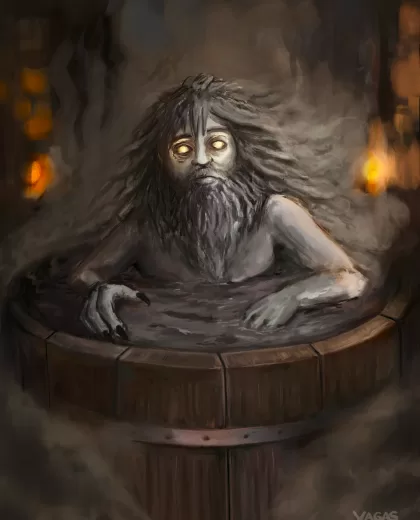
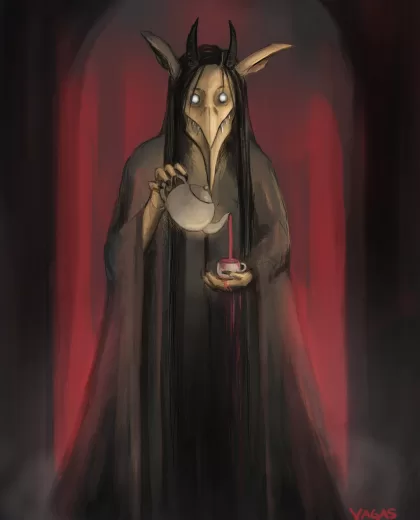
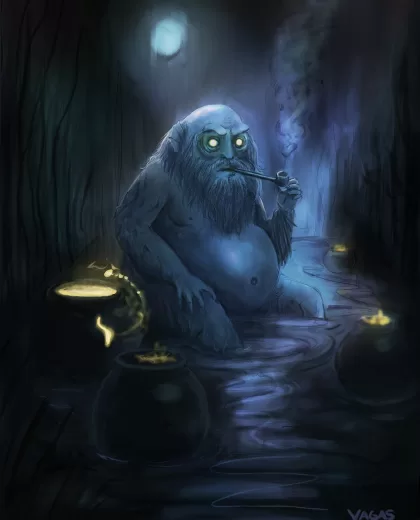
The home was not always safe from supernatural visitors. The Kikimora could disturb a household after dark, while the Bannik made the bathhouse a place to approach with caution.
But the vampire brought a different fear. A husband could return to his wife. A neighbour might appear outside the house where he had lived. The visitor was someone whose funeral the villagers had attended.
They knew his name. They had stood beside his grave.
Garlic Against the Dead
Garlic had long been used in protective customs across Slavic and Balkan communities. People carried it against harmful forces, kept it near entrances, and used it to guard against witches, evil spirits, illness, and the returning dead.
It also appeared in some funeral customs. A clove carried on the body or placed near a doorway could serve as protection against unwanted visitors.
Centuries later, Bram Stoker gave garlic a memorable place in Dracula, where Van Helsing used its flowers to protect Lucy from the vampire's visits.
What grew in the garden could guard the doorway.

The Hawthorn Stake
In parts of the South Slavic world, hawthorn was believed to protect against the restless dead. Its thorny branches appeared in protective customs, while its wood was used to make stakes for suspected vampires.
Villagers might drive a hawthorn stake through a corpse to prevent it from rising. Other measures included placing stones or sharp objects upon the body, removing its head, or burning the remains.
Hawthorn would also appear in the recorded account of a returning dead man from seventeenth-century Istria.
Even the dead could be held in place by a branch of hawthorn.

Jure Grando, the Vampire of Istria
In 1656, a man named Jure Grando died in the village of Kringa, Istria.
For sixteen years after his death, he was said to wander through the village at night, knocking upon doors. The villagers feared that someone inside each house he visited would soon die. His widow was also said to suffer from his visits.
Grando was described as a štrigun, a term associated with dangerous supernatural powers and, in some traditions, the returning dead.
In related regional beliefs, beings such as the štrigun and kudlak could be opposed by the krsnik, a protector against harmful supernatural forces.
But in Kringa, the villagers took matters into their own hands.
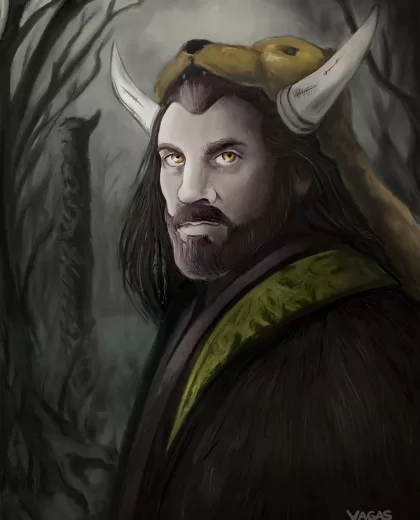
According to the account, a group of men led by the village priest opened Grando's grave. They found his body with a smile upon its face.
A hawthorn stake could not pierce the corpse. Finally, one of the men cut off Grando's head, and the disturbances were said to cease.
The story was recorded by Johann Weikhard von Valvasor in his 1689 work The Glory of the Duchy of Carniola.
For sixteen years, the village feared a man whose funeral had already passed.
When Europe Began to Fear Vampires
In 1725, a series of deaths troubled the village of Kisiljevo, in present-day Serbia. The villagers believed that a recently buried man named Petar Blagojević, also recorded as Peter Plogojowitz, had risen from his grave.
Those who fell ill reportedly accused him of visiting them at night. When his grave was opened, the condition of the corpse convinced the villagers of their suspicions. They pierced it with a stake and burned it.
A few years later, similar fears spread through Medveđa. There, Arnold Paole, also recorded as Arnaut Pavle, was accused of returning after death. He was said to have encountered a vampire during his lifetime, and after his burial, others began to die.
Habsburg officials investigated the deaths, recording their findings in 1732.
Reports of opened graves, suspected corpses, and the measures taken against them travelled across Europe. Physicians and scholars debated the accounts, while newspapers introduced readers far from the Balkans to the vampire of Slavic folklore.
From the Village Grave to Dracula's Castle
As the stories travelled, the vampire began to change.
In 1819, John Polidori published The Vampyre, introducing an influential aristocratic vampire to English Gothic literature. By the time Bram Stoker published Dracula in 1897, the creature had acquired a castle, a title, and powers far beyond those of the returning village dead.
Yet the old fears remained. Blood taken in the night. A grave that failed to hold its occupant. A visitor who entered a home where he was no longer welcome.
In the older stories, that visitor had often belonged to the household itself. The living remembered his voice, the place where he had slept, and the path he might take to reach their door.
Death had already taken someone from them. Now they had to fear his return.
We bury the dead believing they have left us. The old stories remember those who came back.