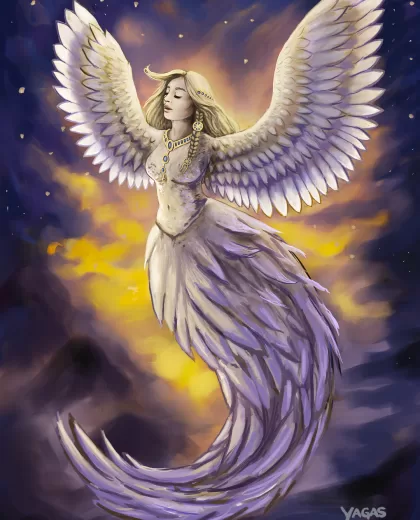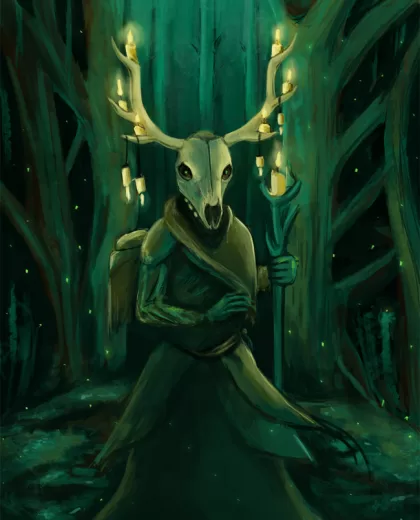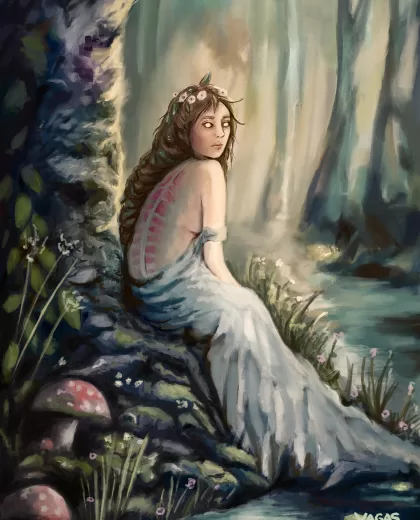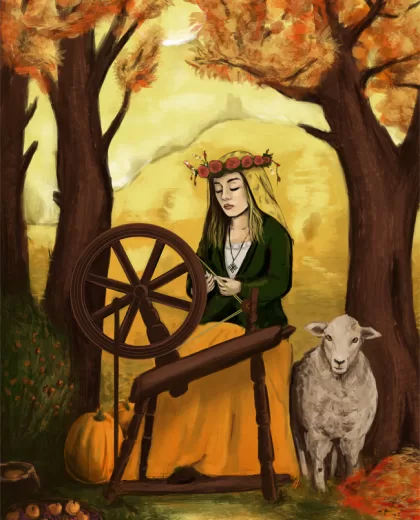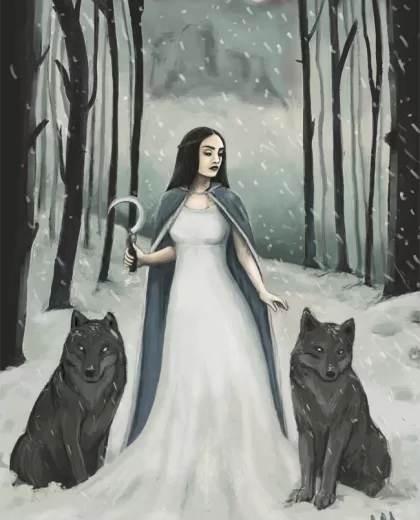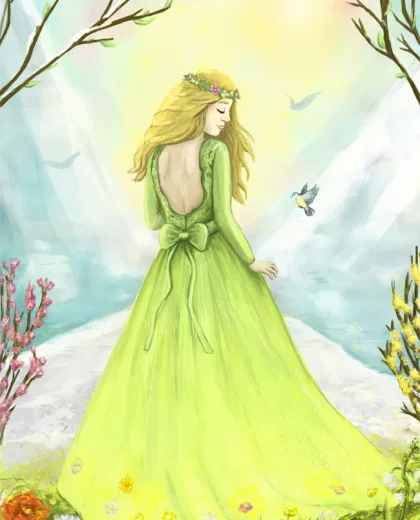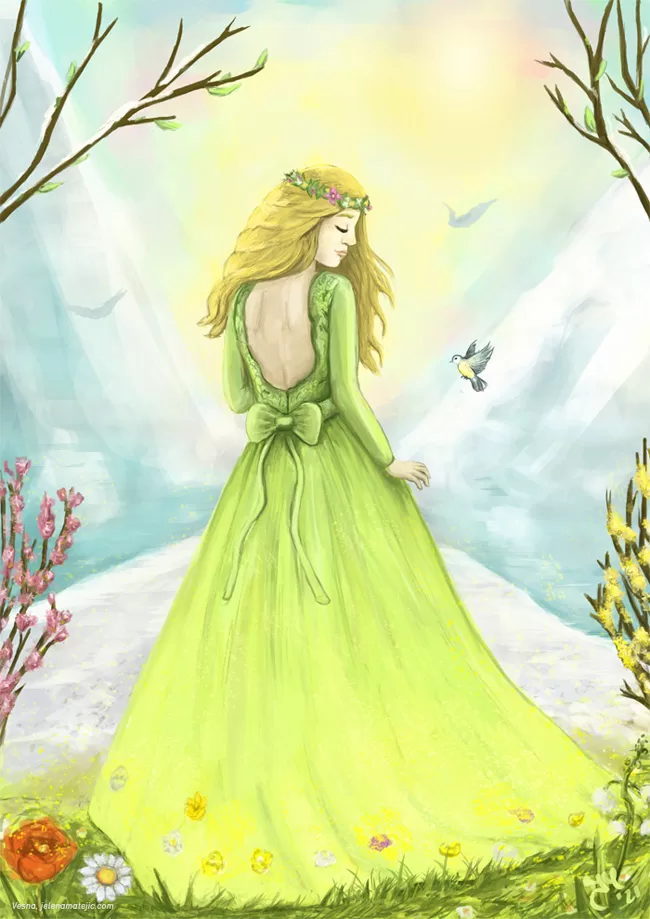


Vesna is the breath of spring, the warmth that returns to the soil after winter. In Slavic tradition, she personifies spring, youth, and renewal, arriving when the frozen ground begins to soften and the first green life pushes back into the light.
Her name carries the season within it. The word vesna comes from an old Indo-European name for spring and survives across several Slavic languages. She belongs to that first change in the year, when snow retreats from the fields, water begins to move again, and the earth opens after months of cold.
She is not a distant deity. She walks the fields. She passes beneath the trees. Where Vesna has been, the first snowdrops push through the snow, small white flowers known in Croatian as visibabe. They are among the earliest signs that winter is losing its hold.
The Maiden Who Brings Spring
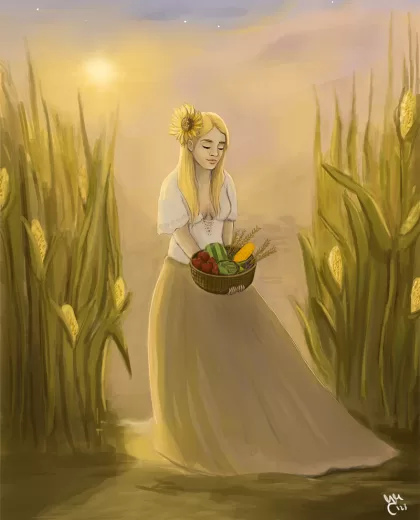
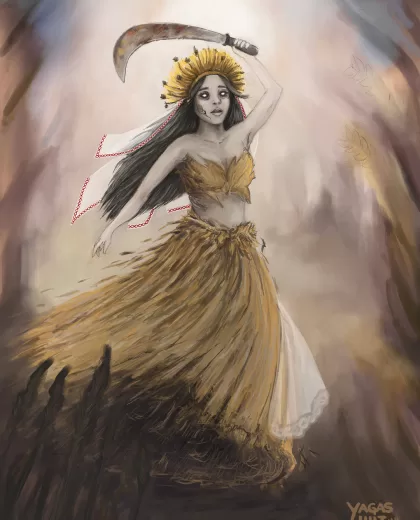
Tradition remembered Vesna as a young and beautiful maiden. Among the Eastern Slavs especially, she could be imagined arriving upon a plough or harrow, agricultural tools carried across the same fields that would soon be broken open for planting.
Her beauty belonged to the season rather than to a fixed appearance. Flowers, young leaves, rain, and the first warmth of the year all became natural ways to imagine her presence. She is the pink dawn after a long winter morning, the soft rain against bare branches, the first color returning to the grass.
Where she walks, winter’s grip loosens.
Vesna does not arrive after spring has begun. In the old seasonal imagination, her coming is part of what makes spring possible. The sleeping earth opens, vegetation stirs, and the fertile part of the year begins again.
Goddess of Renewal
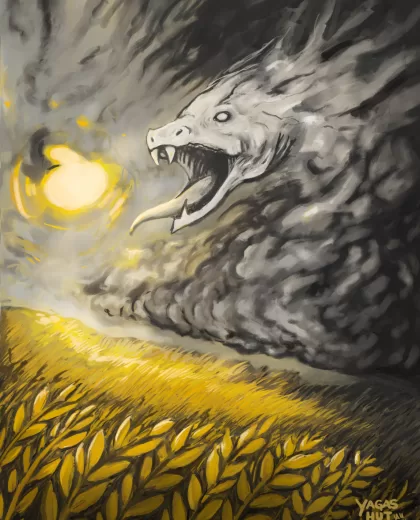
Vesna is often remembered alongside Morana, the goddess of winter and death. Together they embody the turning of the seasons. As Vesna returns with warmth and new life, Morana’s frost loosens its grip upon the land. Yet the cycle is never broken. Vesna brings the growing season, while Morana waits for winter to return.
In some later Slavic traditions, Vesna is associated with Jarilo, the youthful bringer of fertility and returning life. Where Vesna is the arrival of spring as light and air, Jarilo is the green force that bursts from the earth. Together they belong to the same great movement of the year, when what winter held still begins to grow again.
When Vesna smiles, Morana retreats to the shadows.
When the Earth Opens
The return of Vesna was tied to more than flowers and warm air. Spring meant that the earth could be worked again. Seeds could be planted, animals returned to pasture, and the long wait for another harvest began.
Old beliefs imagined the opening earth as a connection between growing things above and the hidden richness below. Roots descended into darkness while new shoots rose toward the sun. In the deeper layers of Slavic mythology, that world beneath the soil also belonged to hidden wealth and to powers such as Veles.
Spring therefore carried both beauty and necessity. A flower opening in the grass was lovely, but it also meant that the land could feed its people again.
The earth opens, and what slept beneath it begins to rise.
Rituals & Spring Customs
Flowers, fresh water, young greenery, and the first fruits of the growing season naturally belonged to spring celebrations. Traditions speak of spring being welcomed through songs, dances, fires, greenery, and floral crowns, as though warmth itself needed to be invited back into the land.
Across several Slavic traditions, effigies of Morana were carried away, burned, or drowned as winter came to an end. The custom marked the departure of the barren season while songs, new growth, and the sowing of crops welcomed spring in its place.
Her season also survived in later spring festivals. Jurjevo and related St. George traditions marked the opening of pasture and the renewed fertility of the land. Garlands appeared on doors, greenery was carried through villages, people walked through morning dew, and livestock returned to the fields after winter.
Other Slavic lands preserved different spring customs, but the movement remained familiar: winter was sent away, the earth was opened, and the growing year was welcomed home.
As winter is carried away, the living year returns.
The Living Season
Vesna belongs to beginnings, but not the quiet kind. Spring breaks frozen ground. Rivers swell. Seeds split open before they grow. What looks gentle from a distance begins with the world pushing itself into motion again.
That may be why the old spring rites did more than wait for warmth. People sang for it, walked out to meet it, lit fires, and welcomed it back. After winter, renewal was never something to take for granted.
Vesna remains in that moment when the first signs appear and the year suddenly seems possible again. A patch of green beneath dead grass. A visibaba through the last snow. The first morning that smells different from the one before.
In her light, every seed dares to dream.